Step-by-Step Guide to Fasting for Great Heart Health

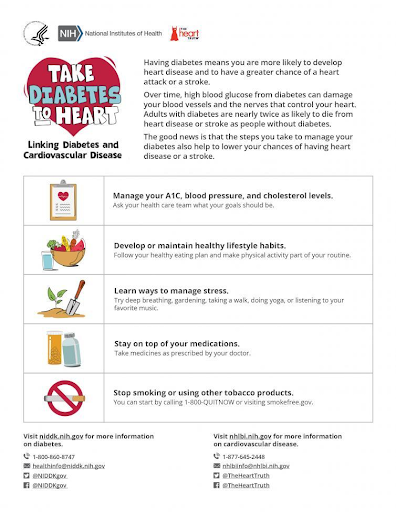
Fasting has become a popular wellness practice for people looking to improve heart health, boost metabolism, and support healthy weight management. When done safely and consistently, fasting may help reduce inflammation, improve blood sugar control, lower cholesterol levels, and support overall cardiovascular wellness.

What Is Fasting?

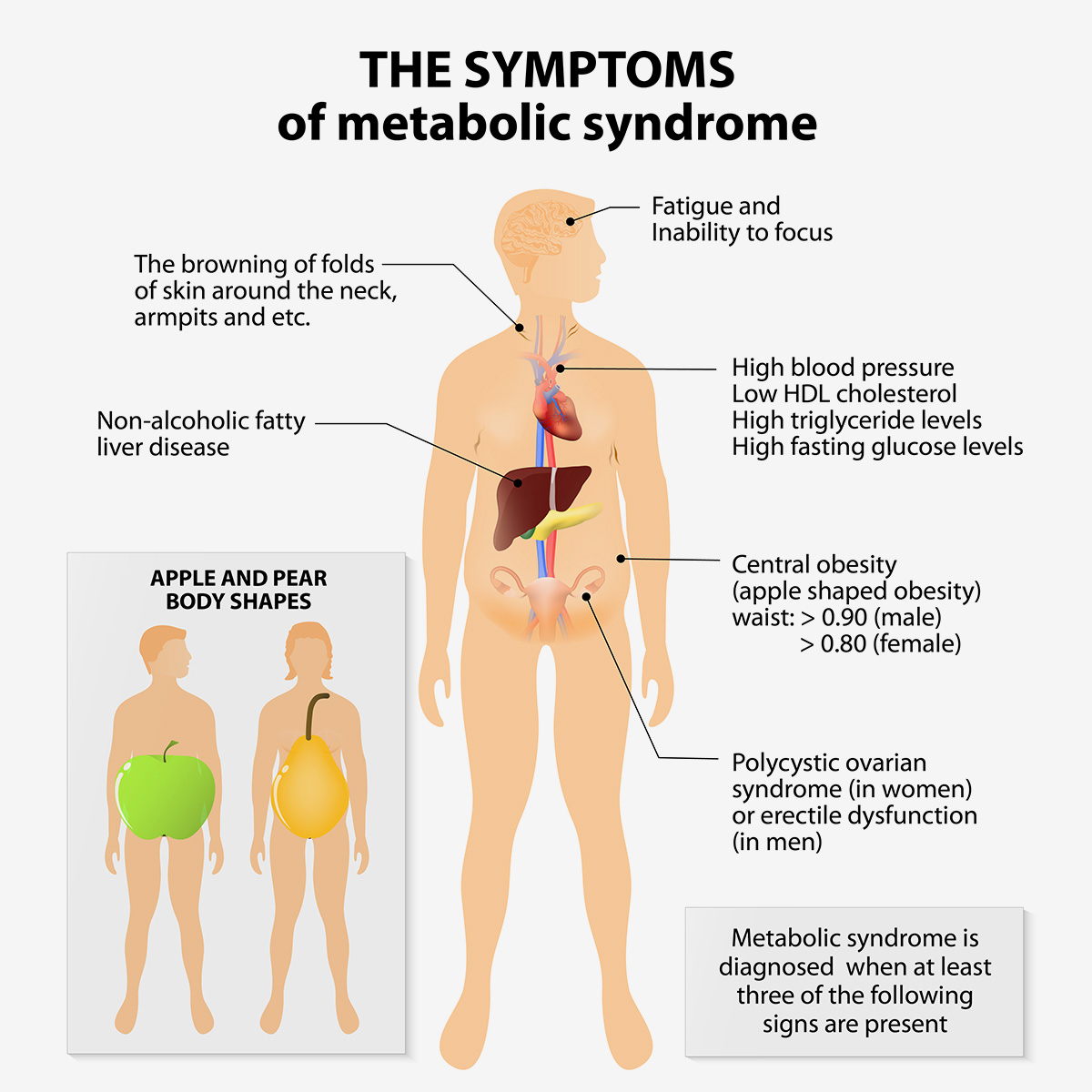
Fasting is the practice of limiting food intake for a specific period of time. During fasting, the body shifts from using glucose as its primary energy source to burning stored fat, which may help improve metabolic function and heart health.


Benefits of Fasting for Heart Health

Fasting may help:


  • Support healthy weight loss

  • Improve insulin sensitivity

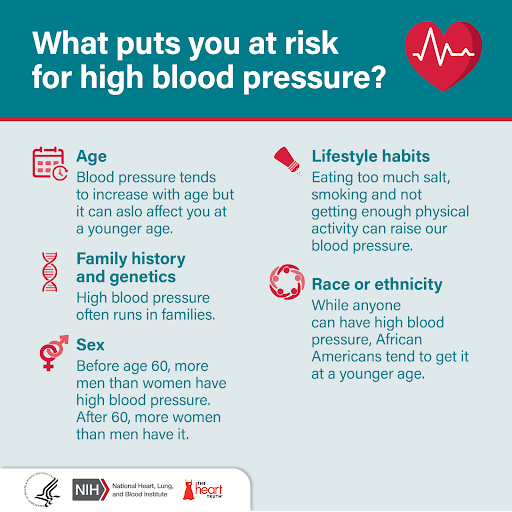
  • Lower blood pressure

  • Reduce bad cholesterol (LDL)

  • Improve triglyceride levels

  • Decrease inflammation

  • Support better energy and mental clarity

Always consult your healthcare provider before starting any fasting plan, especially if you have diabetes, heart disease, or take medications.
Exercise

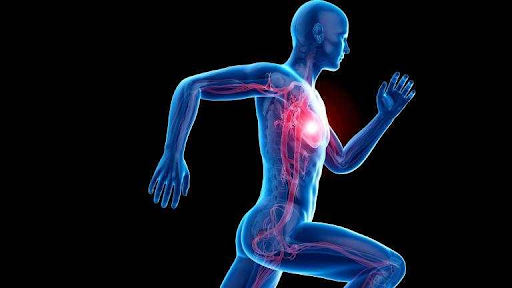
Physical activity indeed plays a crucial role in weight management, alongside calorie intake control. While reducing calorie intake is typically the primary driver of weight loss, sustained physical activity is essential for preventing weight regain and maintaining long-term weight management success.

Cholesterol

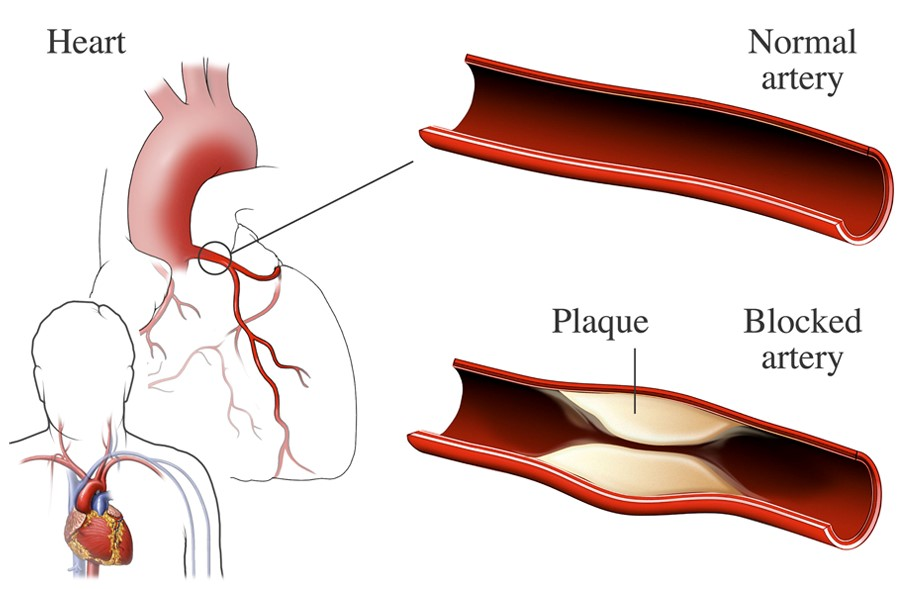
Cholesterol is a waxy, fat-like substance found in the cells of the body and in certain foods. It is essential for the body’s normal functioning and is used to produce hormones, vitamin D, and substances that help digest food. However, high levels of cholesterol in the blood can increase the risk of developing heart disease, stroke, and other cardiovascular conditions.

Calculate 10-year Risk of Having a Heart Attack

To calculate the 10-year risk of having a heart attack, medical professionals often use a tool called the Framingham Risk Score, which estimates the risk based on various factors including age, gender, cholesterol levels, blood pressure, smoking status, and diabetes status. This tool is widely used and validated for predicting the risk of coronary heart disease events over a 10-year period. Here’s a simplified version of how it works:

Healthy Sleep

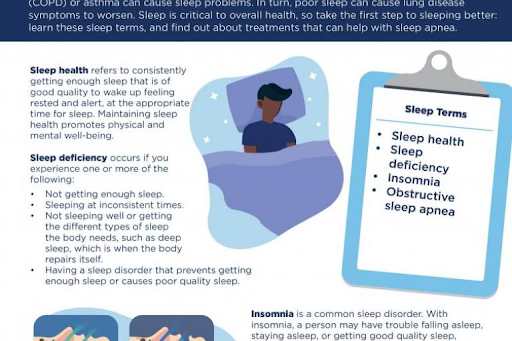
Healthy sleep is essential for overall well-being and optimal physical and mental functioning. It plays a crucial role in various bodily functions, including memory consolidation, immune function, metabolism, mood regulation, and cardiovascular health. Here are some key components of healthy sleep: